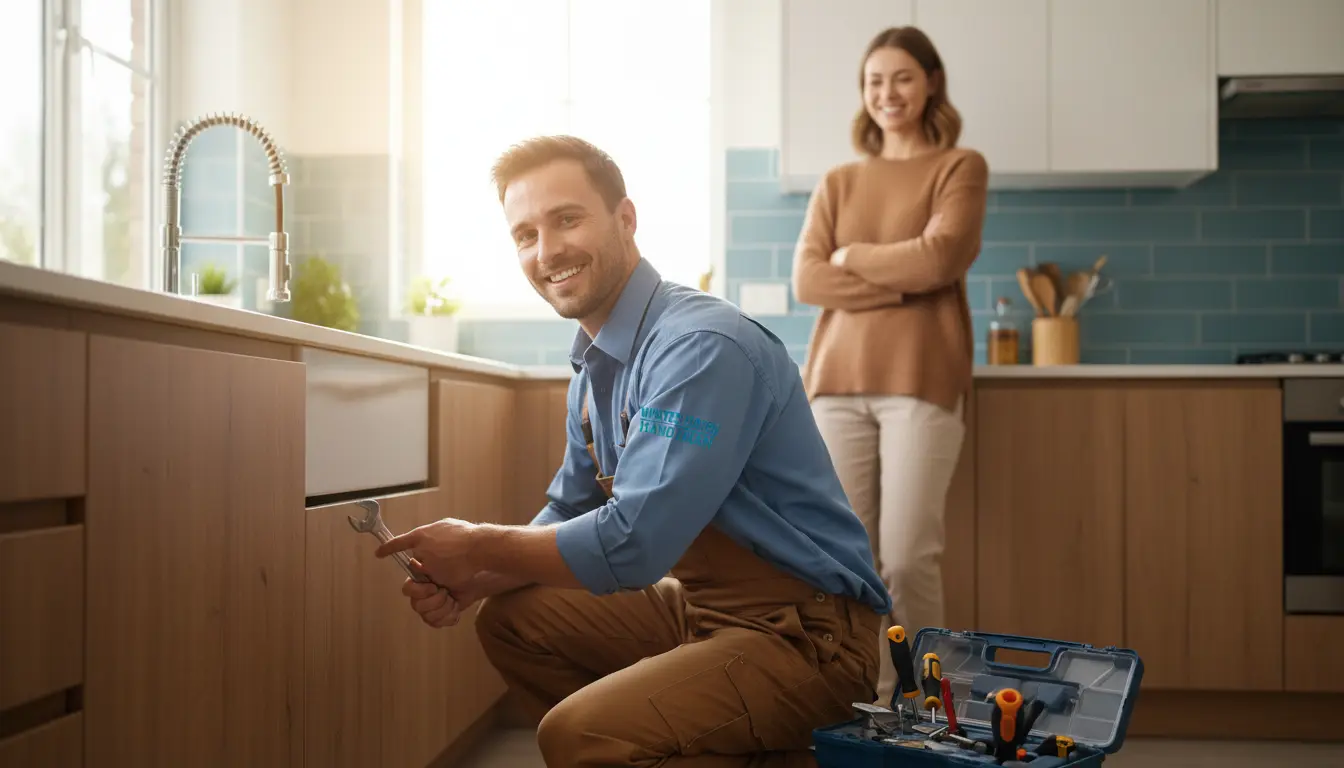
Taking a walk around your property to check the outer window frames, fascia boards, and architectural details is an important part of basic home ownership. Over time, constant exposure to intense local weather can cause standard exterior finishes to peel, flake, or lose their protective seal. Understanding the general guidelines for how often should you repaint your exterior trim in coastal florida makes it easy to stop early weather wear before it reaches underlying frames.
The consistent moisture cycles around the Chain of Lakes introduce unique environmental variables that can test raw wood and composite materials alike. When exterior borders are left bare or unprotected, heavy rain shifts can slowly create pathways for wood rot to develop along key load-bearing connections. Taking a proactive approach to these minor exterior touch-ups completely guards your home envelope against deep material decay.
At Winter Haven Handyman, we specialize in providing smooth, reliable property preservation solutions that are built to handle our distinct climate demands. From detailed sanding prep to applying high-performance moisture barriers, our experienced team ensures your outer trim remains perfectly secure. Handling these minor painting refreshes early keeps your household beautiful, safe, and fully shielded through every seasonal storm. Property operators trying to trace environmental wear can view our 2026 insight piece on why local handymen excel in floridas humid climate challenges.
Understanding the Effects of Coastal Environment on Exterior Trim
The coastal environment in Florida can be particularly harsh on exterior trim, with constant exposure to sunlight and high humidity causing rapid degradation of building materials. The type of material used for the trim can also play a significant role in determining its overall lifespan. For example, standard wood trim is naturally more prone to rot and moisture absorption than fiber-cement or vinyl options, while older metal trim remains highly susceptible to surface corrosion.
In addition to the base material type, the quality of the trim layers and the level of maintenance can also impact its long-term durability. High-quality finishes that are well-maintained can last for many years, while neglected surfaces can deteriorate quickly under intense UV rays. Regular inspections help identify small checking lines before they turn into major structural failures. Homeowners looking to structure advanced roof protocols can check our guide on how to winterize your roof tips from winter haven pros.
| Feature / Metric | Engineered Structural Maintenance | Uncertified Reactive Repairs |
|---|---|---|
| Fastener Life | 15-20 Years (Corrosion-Resistant) | 2-4 Years (Standard Carbon) |
| Moisture Barrier | Controlled Permeability Rating | Non-Porous (Traps Humidity) |
| Material Deflection | Meets or Exceeds Code Standards | High Risk of Joint Failure |
Factors to Consider When Repainting Exterior Trim
When repainting exterior trim, there are several factors to consider, including the type of paint used, the color selection, and the specific finish coating. The paint base must be suitable for the underlying material and the local environmental conditions it will face. For instance, high-grade acrylic latex paints offer excellent flexibility for shifting wood, while specific oil-based primers are preferred for blocking severe moisture bleed. Homeowners can view our practical breakdown on 8 common home fixes for winter haven residents to handle minor household tuning intervals.
The color and sheen should also be carefully evaluated, as they directly impact how heat is absorbed across your building facade. Gloss and semi-gloss finishes provide a slick, easy-to-clean layer that sheds water efficiently, whereas flat finishes absorb more ambient heat. Homeowners looking to optimize general efficiency can explore our guide on 10 quick handyman hacks to boost your homes energy efficiency.
Best Practices for Outer Trim Surface Preservation
To ensure a professional-looking finish that actively resists regional microbial growth, proper preparation is absolutely essential. The trim must be thoroughly washed, scraped free of old loose coatings, and sanded to create a stable bonding surface before any new paint layer is applied. For wall and panel remediation projects, we completely remove compromised materials and balance surrounding conditions before executing a seamless drywall repair using fiber-reinforced compounds to maintain original density parameters.
Every fastener replacement we utilize uses heavy-duty, corrosion-resistant components designed to resist galvanic action under the Florida Building Code rules. Property owners looking for trusted local guidance can view our specialized regional manual, the ultimate guide to hiring reliable handymen in polk county, to map out secure project timelines.
Frequently Asked Questions (FAQs)
The high ambient humidity near the Chain of Lakes causes porous wood doors to absorb water vapor from the air, swelling the wood fibers beyond their original dimensions. This expansion can be managed by properly planing the door edges, sealing all six sides with exterior-grade coatings, or upgrading to composite options. Homeowners can read our core brief on 5 essential handyman services for winter haven homes.
Polk County’s sandy clay soils expand when saturated by seasonal rain and contract during dry periods, causing slight foundation settling and movement. This shifting introduces immense mechanical stress to your home’s framing, which manifests as diagonal cracks across drywall joints and misaligned door frames.
Preventing wood rot requires cutting off the capillary action of water through the timber grain. This involves applying premium penetrating oil stains, isolating wooden posts from direct soil contact, and using specialized protective joist tape during structural assembly.
Yes, replacing worn weatherstripping with high-density EPDM rubber seals restores the tight air barrier and stops hot, humid air from leaking into your home. This improvement actively lowers your air conditioning costs and reduces pressure on your HVAC system.
Final Thoughts
In conclusion, keeping your exterior trim layers resilient relies entirely on balancing regular touch-ups before moisture impacts your main structural safety boundaries. By choosing a dedicated local specialist, you preserve your asset equity and gain long-term structural durability. Contact us today to plan your preventative home evaluation sweep.